
Why Your Metabolism Slows After 40 (And How to Reverse It)
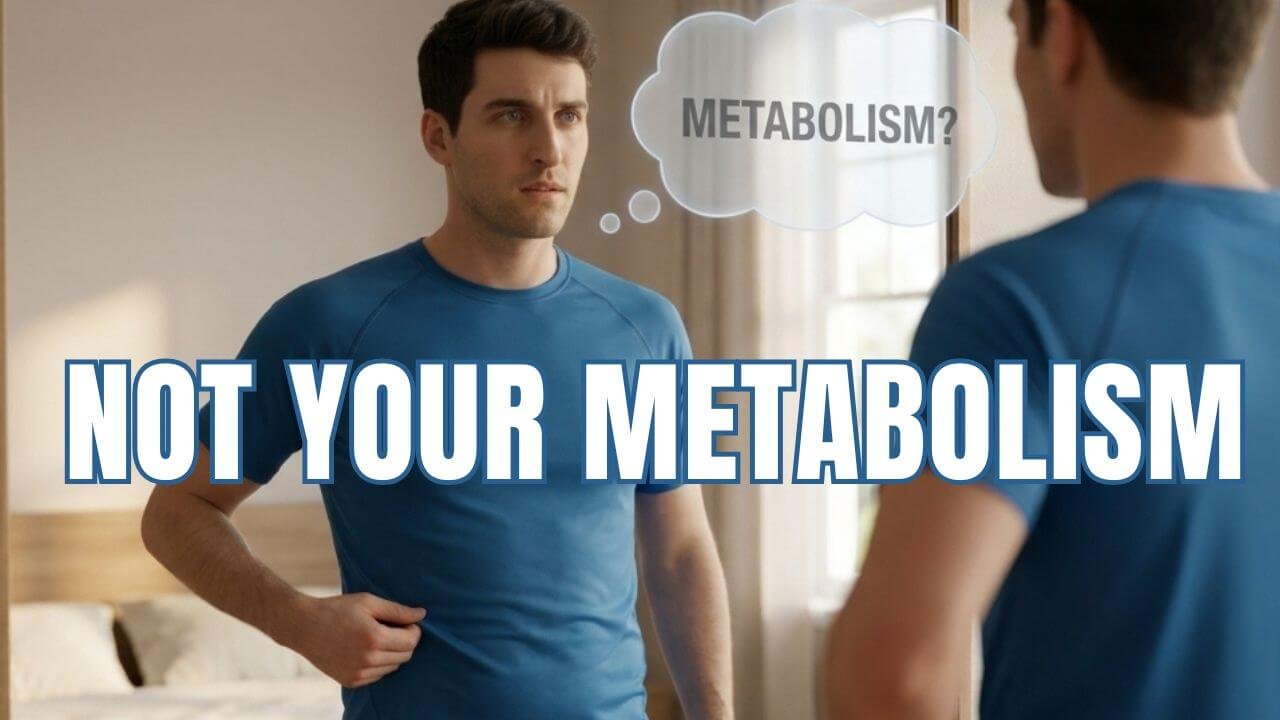
Why Your Metabolism Slows After 40 (And How to Reverse It)
Adapted from a video on my PeakPhysic YouTube channel. Subscribe for more science‑backed fitness insights.
You’re eating the same as you always have — but the weight keeps creeping up. And everyone around you says the same thing: “It’s just your metabolism slowing down after 40.” And honestly? Somewhere inside, you feel relief. Because now you have an answer. No more spinning about whether you should be doing HIIT, pushing your heart rate higher, or training harder. You don’t have to. Because it’s just your metabolism. Nothing you can really do about it. You’ve found your scapegoat — and it feels surprisingly comfortable.
So as your trusted advisor, I have to break some news to you.
Your Metabolism Does NOT Crash at 40
The best measurements taken across thousands of adults show that your resting metabolic rate stays surprisingly stable from your 20s all the way to around 60. Sixty. Not forty. So what IS actually happening in your 40s?
And you may have made it worse without realising it. Because the natural thing to do is eat less. Cut back. Restrict. But here is the problem: when you cut calories aggressively without enough protein or strength training, your body loses muscle alongside fat. Which lowers your resting burn. Which makes the next diet harder. Which makes the next plateau come sooner. You can actually diet yourself into a slower metabolism — and many people do exactly that. So the weight creeps up anyway, and you blame your metabolism even more. It just keeps going.
So the weight gain is real — but it has nothing to do with your birthday. It’s the muscle you’ve been quietly losing and the movement you’ve been quietly doing less of. With less muscle, your body simply needs fewer calories to run, even if nothing else changes.
📊 Track your progress: Use our BMI Calculator to monitor body composition changes, or the Calorie Deficit Calculator to see how strength training and protein intake shift your energy balance.
Three Ways to Build It Back
1. Lift Weights
This is the most direct lever you have. Consistent strength training raised resting metabolic rate by around 7% in studies — in both younger AND older adults. Age did not block the benefit. Two to three sessions a week, compound movements: squats, presses, rows. You’re not training for aesthetics. You’re training to keep your engine running.
2. Eat Enough Protein
Protein preserves muscle when you’re in a calorie deficit, and it blunts the metabolic drop that normally comes with dieting. Aim for around 1.2 to 1.6 grams per kilogram of body weight per day, spread across your meals. Not all at once at dinner — spread across the day. This alone can make a measurable difference in how much muscle you retain as you age.
3. Protect Your Background Movement
Every step, every flight of stairs, every walk after a meal — this is your NEAT (non‑exercise activity thermogenesis). It’s all the calories you burn outside of formal workouts. As life gets busier, this is usually the first thing to quietly disappear. And it can make a bigger difference than most people realise. Park further away. Take the stairs. Walk while on phone calls. These tiny choices compound.
💡 The takeaway: Your metabolism is not broken after 40. The muscle loss is real, the movement drop is real — and both are things you can actually do something about.
The Bottom Line
Stop blaming your age. Start lifting. Eat more protein. Move more throughout the day — not just in the gym. These three things, done consistently, will do more for your metabolism after 40 than any diet ever will. Train smarter, not harder.
📺 This article was adapted from a PeakPhysic video. Subscribe to PeakPhysic for more science‑backed fitness insights.
Related tools: BMI Calculator | Calorie Deficit Calculator | More articles: Wellness
Health & Fitness Disclaimer: The information presented in this article is data-driven and intended for educational purposes only. It is not a substitute for professional medical advice, diagnosis, or treatment. Always consult with a qualified physician or healthcare provider before beginning any new exercise regimen, diet, or lifestyle shift.