
Why Your Last 48 Hours Are Sabotaging Your Body (And the Simple Fix)
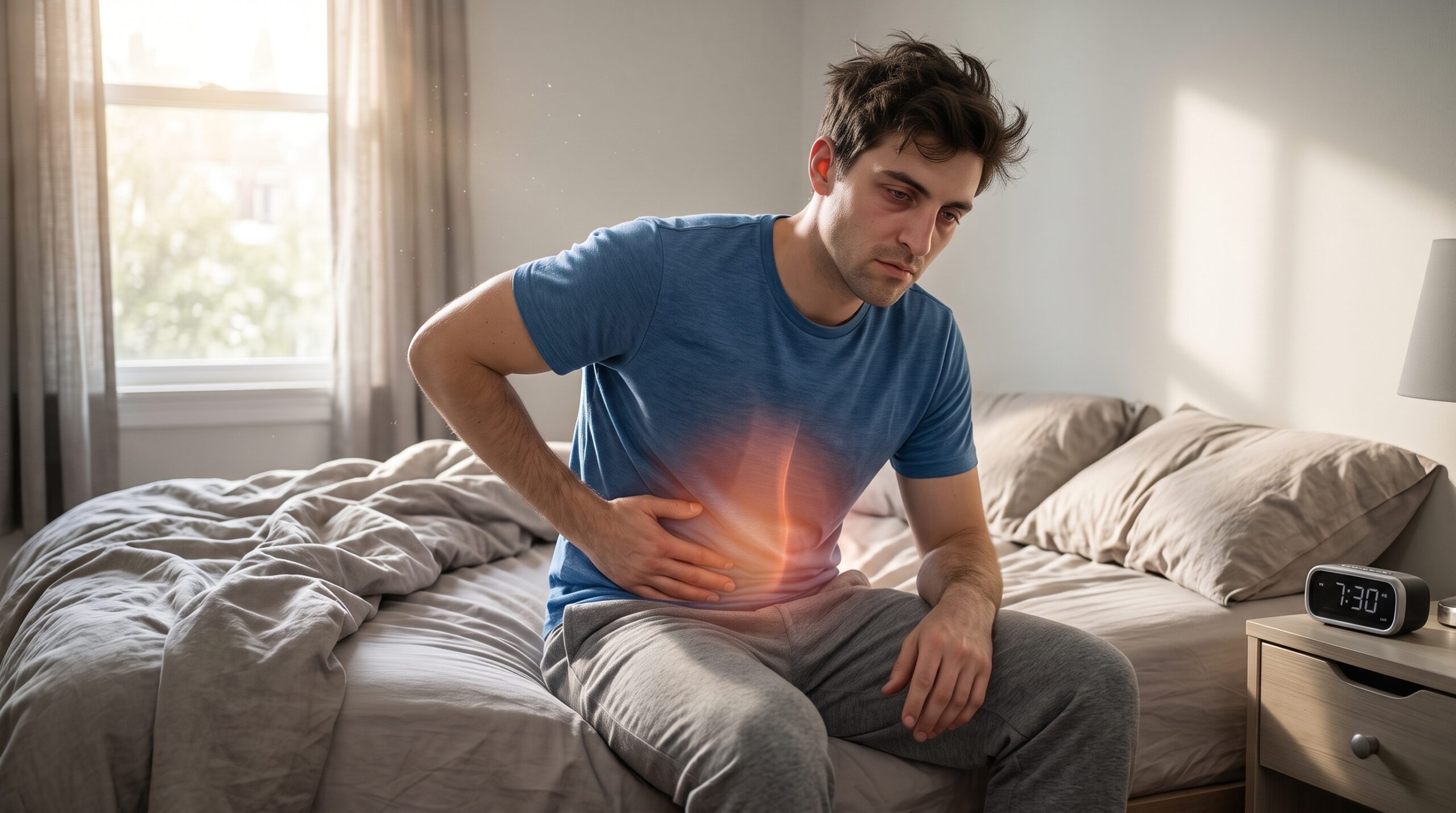
Why Your Last 48 Hours Are Sabotaging Your Body
Adapted from a video on my PeakPhysic YouTube channel. Subscribe for more science‑backed fitness insights.
Think back on your last 48 hours. Late‑night scrolling? A stacked work day that ran into a late call? Maybe a weekend brunch or a coffee catch‑up that ran all day — you still feel good from that adrenaline rush of rushing from friends’ meetings and gatherings. None of that feels dramatic. But those choices alone are quietly working against you right now, more than you’d think.
Yes, you’re living your life, and it’s a good one. But by the next day, you feel it: groggy, a bit puffier, energy just off. There is one simple move that can help alleviate the damage: brisk walking.
⚠️ Disclaimer: This article is for educational and analytical purposes only. It does not constitute medical or fitness advice. Consult a qualified professional before starting any new exercise programme.
The Fix That Requires Zero Extra Time
No time? Hard to change from office wear to casual to walk? No need. Tomorrow, go one or two blocks further to find your coffee place or lunch spot. Somewhere new, somewhere you haven’t tried. Walk there briskly — not a stroll, a pace where you’re breathing a bit heavier but still able to talk. Same coffee, same lunch, just a slightly longer, faster route to get there. Back and forth, do the same brisk walk back to the office. That is it.
What’s Actually Happening in Your Body
That groggy, sluggish feeling isn’t random — it comes down to your insulin efficiency. Even one night of less sleep than usual is enough to measurably weaken how well your insulin works the very next day. In one study, insulin efficiency drops by as much as 16%, even in healthy people [1] [2]. Insulin is what signals your muscles to pull sugar out of your blood. When that signal runs weak, sugar just lingers in your blood longer — and that’s a big part of what “sluggish” actually feels like.
How Brisk Walking Bypasses the Problem
When you’re brisk walking, your muscles contract, and that contraction itself triggers a transporter in your muscle cells called GLUT4 to move to the surface and start pulling sugar directly out of your blood — no insulin required. So even on a morning when your insulin signal is running weak, this GLUT4 pathway still gets that sugar out, on its own separate route [4]. Studies have shown that a brisk walk after a meal can cut your blood sugar spike roughly in half [5]. The pace has to be brisk, though — breathing a bit heavier, still able to talk, but genuinely working. That’s what triggers it.
Even walking downhill — a movement that causes mild muscle damage — has been shown to affect next‑day glucose metabolism, reinforcing that the type and timing of movement matters [3].
📊 Track your progress: Use our BMI Calculator to monitor body composition changes, or the Calorie Deficit Calculator to see how your daily movement and nutrition work together.
The Bottom Line
Brisk walking on a short lunch break won’t fix a stacked‑up week. But I hope that it gets you moving today, and once it’s a habit, it becomes the doorway into a real, consistent exercise rhythm — not a one‑time fix, but the first step that actually can drive consistency. Ready to just try? Tomorrow? Deal?
📺 This article was adapted from a PeakPhysic video. Subscribe to PeakPhysic for more science‑backed fitness insights.
📚 Sources
- Donga E et al. A single night of partial sleep deprivation induces insulin resistance in multiple metabolic pathways in healthy subjects. J Clin Endocrinol Metab (2010).
- Cedernaes J et al. A single night of partial sleep loss impairs fasting insulin sensitivity (2015).
- Effect of downhill walking on next‑day muscle damage and glucose metabolism in healthy young subjects. J Physiol Sci (2018).
- Wang X et al. A ~60‑min brisk walk increases insulin‑stimulated glucose disposal. J Appl Physiol (2013).
- Acute effect of accumulated versus continuous brisk walking on insulin sensitivity in young Asian adults (2015).
Related tools: BMI Calculator | Calorie Deficit Calculator | More articles: Analytical Living
Author: Dr. Shirley Cheung. This content is for informational purposes only and does not constitute professional fitness or medical advice.
Health & Fitness Disclaimer: The information presented in this article is data-driven and intended for educational purposes only. It is not a substitute for professional medical advice, diagnosis, or treatment. Always consult with a qualified physician or healthcare provider before beginning any new exercise regimen, diet, or lifestyle shift.